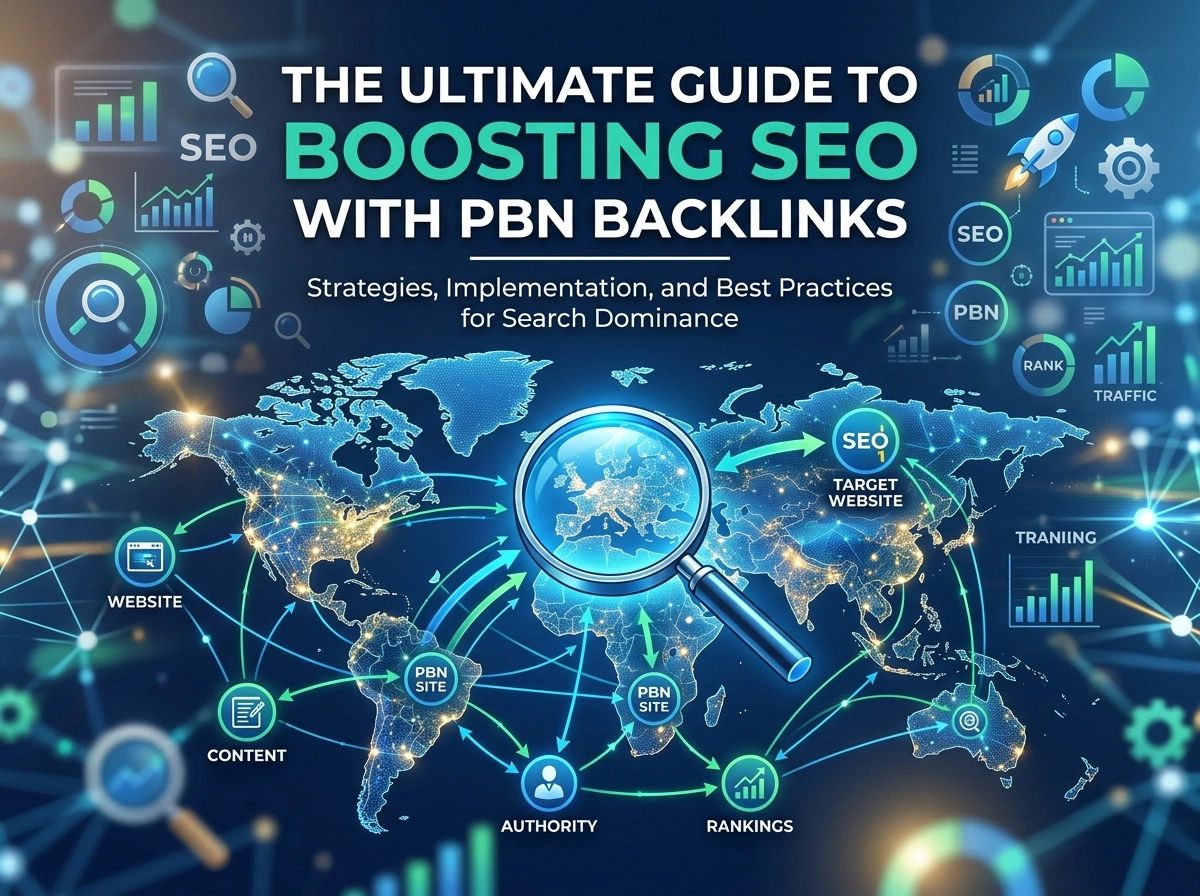
Securing top positions on search engine results pages requires a robust and authoritative link profile. Search algorithms constantly evolve to prioritize high-quality content and trustworthy sources, making visibility a continuous challenge. Digital marketers and website owners continuously seek effective methods to build this necessary authority to outpace their competitors. Without strong signals of trust, even the most informative content will struggle to reach its intended audience.
One approach that consistently generates discussion within the search engine optimization community involves leveraging private blog networks. These networks offer a unique mechanism for transferring domain authority directly to a target website. By controlling the source of the inbound links, SEO professionals can precisely manage anchor text, content relevance, and the overall narrative surrounding their brand. This level of control is rarely achievable through standard public relations or manual outreach efforts.
Understanding the mechanics behind this strategy reveals why authoritative links remain the strongest ranking signal across major search engines. A well-structured network can dramatically accelerate the time it takes for a newly published page to climb the search results. Instead of waiting months for organic link acquisition, website owners can dictate their own ranking timelines.
This comprehensive guide will explain the fundamental concepts behind private blog networks. We will explore how these links influence search rankings, examine the associated benefits, and outline actionable strategies for effective implementation. Readers will also learn about the potential risks and the best practices required to maintain a secure and powerful link profile.
An Introduction to PBN Backlinks
A Private Blog Network is a collection of high-authority websites used primarily to build links to a central target website, often referred to as the “money site.” These networks are typically built upon expired domains that have already accumulated significant trust, domain authority, and link equity from their previous existence. When a domain expires, its established backlink profile remains intact. SEO professionals purchase these domains at auction, rebuild them with relevant content, and insert links pointing to their primary websites.
The primary objective of this tactic is to harness pre-existing authority and funnel it directly where it is most needed. Traditional outreach campaigns are frequently unpredictable and highly resource-intensive. Marketers cannot always dictate the anchor text, the surrounding context, or the exact placement of a link on a third-party website. By contrast, owning the network provides absolute control over these critical ranking factors.
When you strategically acquire pbn backlinks, you signal to search engines that your target site is a highly trusted resource. This prompts faster indexing and improved keyword rankings. Control is the defining characteristic of this approach. It allows webmasters to optimize anchor text ratios perfectly, ensuring maximum relevance without triggering the algorithmic penalties associated with over-optimization.
How PBNs Influence Website Rankings
Search engines view backlinks as digital votes of confidence. When a highly trusted website links to another page, it passes along a portion of its authority, commonly known as PageRank or link equity. The core function of a private blog network is to artificially generate these powerful votes of confidence to manipulate a page’s perceived popularity.
Because these networks are constructed using domains that already possess strong metrics, the links they provide carry significant weight. When search engine crawlers discover these new links, they re-evaluate the target website’s authority profile. A sudden influx of high-quality, topically relevant links suggests that the target page is gaining credibility within its specific niche. Consequently, the search engine elevates the page’s position in the search results for related user queries.
Precision plays a massive role in how these networks influence rankings. Search algorithms rely heavily on anchor text to understand the context of a linked destination. Because network owners have complete editorial control, they can utilize exact-match or partial-match anchor text that perfectly aligns with their target keywords. This hyper-relevant signaling makes it abundantly clear to search engines what the target page is about, drastically improving its relevance score for those exact search terms.
Furthermore, these networks allow for deeply contextual linking. A link embedded naturally within a well-written, topically relevant article holds far more value than a link placed in a generic sidebar or website footer. Network owners can craft entire long-form articles dedicated to supporting the main topic of their target page, creating an ideal semantic environment for the link to thrive.
The Benefits of Using PBNs for SEO
Integrating private blog networks into a broader digital marketing strategy offers several distinct advantages. These benefits make the tactic particularly appealing for businesses operating in saturated or highly competitive industries.
Rapid Ranking Improvement
Traditional white-hat link building takes considerable time and energy. Earning links organically through content marketing or digital public relations requires extreme patience and substantial financial resources. Private networks bypass this waiting period entirely. High-authority domains pass link equity immediately upon search engine indexing. This mechanism leads to noticeable ranking improvements in a fraction of the time required by standard methods. Rapid acceleration is vital for competitive niches where organic traffic serves as the primary driver of digital revenue.
Targeted Traffic Generation
Better search rankings inevitably lead to increased website traffic. Because network owners optimize anchor text precisely, pages rank for commercial keywords that drive actual sales. The traffic generated is highly targeted, matching user search intent perfectly. Visitors arriving through these specific search queries are generally ready to convert into paying customers or qualified leads, significantly lowering the overall cost of customer acquisition.
Cost-Effective Link Acquisition
Digital PR campaigns and premium guest posting services demand exorbitant budgets. Negotiating placements on high-tier industry publications involves high failure rates and unpredictable ongoing costs. Renting or building links from a private network offers a predictable return on investment. Marketing departments receive guaranteed placements on high-metric sites without the grueling, time-consuming outreach process that exhausts internal teams.
Complete Editorial Control
The ability to control the narrative surrounding your brand is an invaluable asset. With a private network, you dictate the content, the internal linking structure, and the exact timing of the outbound link placement. This flexibility allows webmasters to adapt their SEO strategy dynamically as search algorithms update or as corporate business goals shift throughout the fiscal year.
Strategies for Effective PBN Implementation
Deploying a private blog network successfully requires meticulous planning and flawless execution. Search engines actively penalize networks that leave obvious digital footprints. A highly strategic approach minimizes risks while maximizing the available ranking power.
Securing the Right Domains
The foundation of any successful network relies heavily on the quality of its underlying domains. SEO professionals must identify and acquire expired domains with pristine histories, high Trust Flow metrics, and genuine referring domains from authoritative sources. Purchasing a domain with a spammy past, foreign language history, or previous manual penalties will actively harm the target website. Extensive due diligence, including deep manual backlink profile reviews, is mandatory before registering any new domain asset.
Diverse Hosting and IP Addresses
Search engines track IP addresses and hosting providers closely to identify unnatural linking patterns. Hosting an entire network on the same server is a massive operational red flag. Effective implementation requires distributing the network across various premium hosting environments worldwide. Each site should possess a unique IP address, preferably from completely different subnets and autonomous system numbers. This geographic and structural separation ensures that the sites appear entirely independent of one another to search crawlers.
High-Quality Content Creation
Search algorithms are incredibly sophisticated at detecting low-quality or automatically generated content. To maintain the illusion of independent, valuable websites, every site within the network must feature unique, human-written articles. The published content should provide genuine value to readers, complete with relevant multimedia, proper HTML formatting, and outbound reference links to other non-competing authoritative sources.
Natural Link Velocity
Flooding a target website with hundreds of high-authority links overnight looks highly unnatural and triggers algorithmic spam filters. A successful strategy involves a carefully phased approach. Links should be built gradually over weeks and months, mimicking the standard velocity of organic link acquisition. This steady drip of authority signals natural audience growth, keeping the target site safe from algorithmic triggers and manual reviews.
Risks and Best Practices
While the ranking rewards are significant, utilizing private blog networks violates major search engine Webmaster Guidelines. Search engines consider this practice an artificial manipulation of search results. Understanding the associated risks is essential for any digital marketer considering this aggressive approach.
The Threat of Deindexing
If a search engine detects a private network, it will likely deindex the participating network sites entirely. This action means the sites will no longer appear in search results, and all the link equity they provided to the money site will vanish instantly. The target website will experience a severe, immediate drop in keyword rankings and corresponding organic traffic.
Manual Penalties
In addition to automated algorithmic demotions, search engines issue manual penalties to websites caught utilizing manipulative link building practices. Recovering from a manual penalty requires submitting a formal reconsideration request after painstakingly auditing and disavowing all offending links. This recovery process is arduous, expensive, and can cripple a business’s online revenue streams for several months.
Strict Footprint Management
The most critical best practice is flawless footprint management. A digital footprint is any shared characteristic that links the network sites together. Common footprints include shared Google Analytics tracking codes, identical WordPress themes, similar domain registrars, overlapping content structures, or public WHOIS registration data. Eliminating these structural connections is the only way to protect the network assets from automated detection.
Limiting Outbound Links
A network site that links out to hundreds of different money sites quickly loses its ranking power and looks inherently suspicious. Best practices dictate strictly limiting the number of outbound links per published article and per root domain. This discipline preserves the available link equity and maintains the site’s outward appearance as an authentic, tightly focused industry resource.
Frequently Asked Questions
To provide a comprehensive overview, we have compiled detailed answers to some of the most common inquiries regarding this advanced link-building strategy.
How many links do I need to see results?
The number of links required depends entirely on the competitiveness of your target keywords and the current state of your website’s link profile. A local service business operating in a small geographic area might only need a handful of strong links to dominate the local map pack. Conversely, a national enterprise competing for highly lucrative commercial terms will require a substantial volume of links from exceptionally authoritative domains. A thorough SEO audit is the most accurate way to determine the exact gap between your site and top-ranking competitors.
Are these networks still effective after recent algorithm updates?
Yes, they remain highly effective when executed properly. Search engines fundamentally rely on links to determine web page authority. As long as the network is built correctly—avoiding common digital footprints and maintaining exceptionally high content standards—the links will continue to pass valuable PageRank. The key to long-term success lies in treating each network site as a legitimate, standalone digital property rather than a mere vessel for link placement.
How long does it take for a link to impact rankings?
Because the domains used in these networks are already trusted and frequently crawled by search engine bots, new outbound links are typically indexed rapidly. Many website owners begin to observe positive movement in their keyword rankings within two to four weeks of a link going live. The full impact of the link equity transfer is usually realized around the sixty-day mark, allowing for predictable campaign planning.
What is the difference between a PBN link and a guest post?
A guest post involves reaching out to a legitimate, independent website owner and writing an article for their active audience in exchange for a link back to your site. You do not control the website. A PBN link is placed on a website that you (or your vendor) fully own and operate specifically for SEO purposes. While guest posts are generally considered safer and strictly white-hat, they lack the total editorial control, exact anchor text placement, and guaranteed permanence that a private network offers.
Elevating Your Link Building Strategy
Building a commanding presence on search engine results pages requires continuous effort, deep analytical insights, and strategic investment. Authoritative backlinks act as the primary engine for organic growth, pushing critical landing pages past established competitors and directly in front of highly targeted audiences.
While traditional public relations and manual outreach methods hold undeniable value, the precision and raw ranking power of private blog networks offer an unparalleled advantage in hyper-competitive digital markets. By thoroughly understanding the mechanics of these networks, respecting the associated algorithmic risks, and strictly adhering to advanced footprint management best practices, digital marketers can safely accelerate their ranking timelines. Carefully evaluating your current search visibility, internal resources, and backlink profile will help you determine if integrating this advanced methodology is the right strategic step for your organization’s digital growth.
