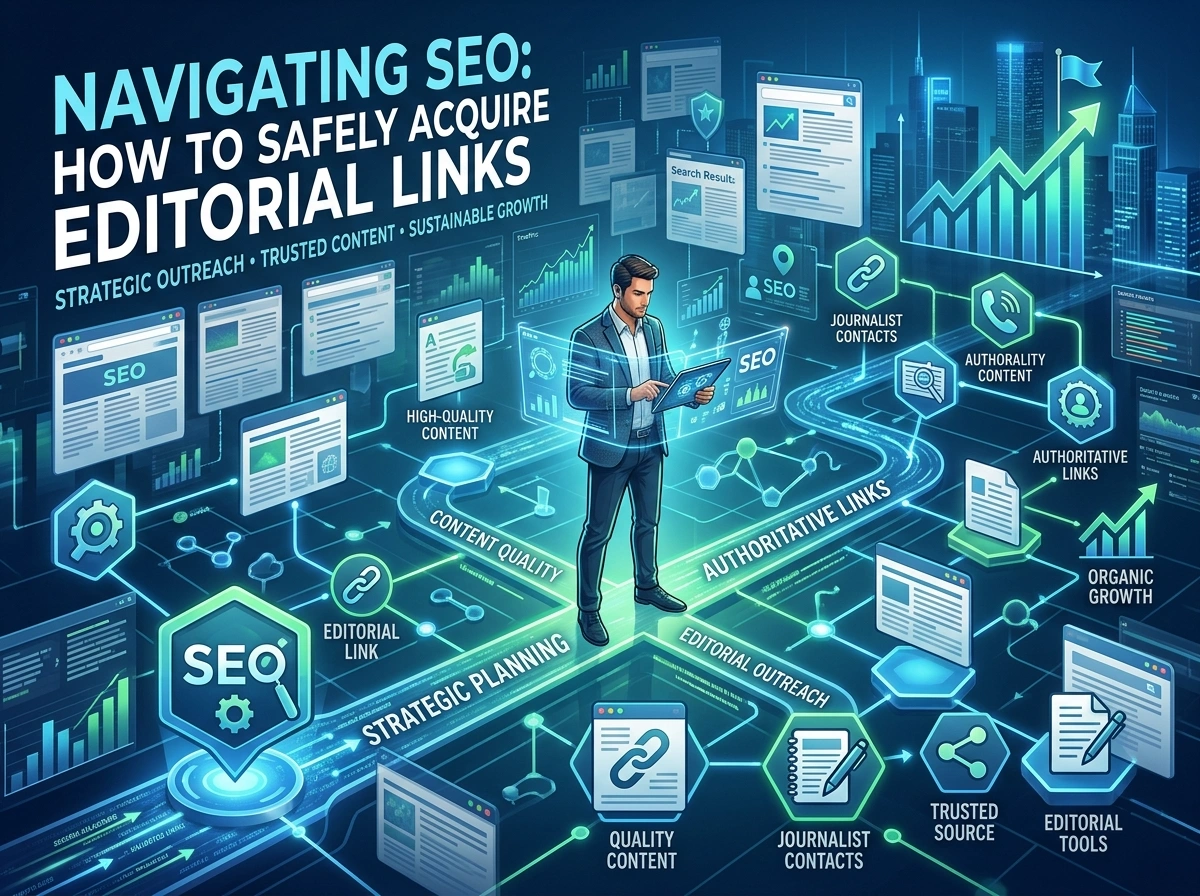
Securing a spot on the first page of search engine results requires more than just excellent content. Backlinks remain one of the strongest ranking signals used by algorithms to determine website authority. However, not all links are created equal. Search engines are highly sophisticated, actively hunting down manipulative link-building tactics and penalizing sites that use them.
This presents a significant challenge for digital marketers and website owners. You need authoritative backlinks to rank, but acquiring them organically is a slow, unpredictable process. Many turn to purchasing links to speed up their growth, yet doing so incorrectly can decimate years of hard-earned organic traffic.
Understanding the delicate balance between active link acquisition and search engine compliance is critical. This guide will walk you through the nuances of acquiring premium placements, ensuring your strategy builds unshakable trust rather than inviting algorithmic penalties.
Understanding the Difference Between Paid Links and Editorial Links
To navigate the complex world of link building, you must first understand the distinction between a manipulative paid link and a valuable editorial link.
Paid links are typically direct transactions designed solely to pass PageRank. These include buying links on private blog networks (PBNs), participating in excessive link exchanges, or paying a webmaster directly to insert a keyword-rich link into an old article without adding any real value. Search engine guidelines explicitly prohibit these practices. When algorithms detect these patterns, they will devalue the links or penalize the entire domain.
Editorial links operate on a completely different level. These are links placed naturally within high-quality content because the linked resource adds genuine value to the article. A journalist, blogger, or editor makes the conscious decision to include the link because it backs up a claim, provides a useful tool, or expands on a topic for their readership. Even when agencies facilitate these placements through digital PR and targeted outreach, the core principle remains: the link exists because the content merits it.
Why Quality Matters: The Risks of Poor Link Building
Taking shortcuts in your backlink strategy often leads to disastrous consequences. Search engines regularly update their algorithms to identify and neutralize unnatural link profiles.
If your website relies on low-quality, spammy backlinks, you face two primary risks. The first is an algorithmic devaluation. In this scenario, search engines simply ignore the spammy links. While you might not receive a manual penalty, the money and time spent acquiring those links yield absolutely no return on investment.
The second, more severe risk is a manual action penalty. If human reviewers determine your site is actively manipulating search results, they can completely remove your website from the search index. Recovering from a manual penalty is an arduous process that involves conducting extensive link audits, reaching out to webmasters to remove toxic links, and submitting detailed reconsideration requests. Focusing on quality from the beginning protects your digital footprint and ensures steady, compounding organic growth.
How to Buy Editorial Links Without Violating SEO Best Practices
Many marketers assume that any financial transaction associated with link building violates search engine guidelines. The reality is more nuanced. When you buy editorial links, you are typically paying for the labor-intensive process of digital PR, content creation, and targeted outreach, rather than handing cash directly to a webmaster for a specific anchor text.
To ensure compliance with SEO best practices, the acquisition process must focus on value exchange. Instead of purchasing a link directly, you invest in creating data-driven content, expert quotes, or comprehensive guides that publishers actively want to share. Outreach specialists then pitch this high-quality content to relevant editors.
This white-hat approach means the final decision to place the link rests entirely with the publisher’s editorial standards. The resulting placement is contextually relevant, lives on a site with real organic traffic, and provides actual value to the end user. This methodology aligns perfectly with search engine goals: surfacing the most useful, authoritative content on the web.
Identifying High-Authority and Relevant Sites
Not every placement will move the needle for your business. To maximize your return on investment, you must be highly selective about the publications you target.
Domain Authority and Traffic
Look for websites with strong Domain Ratings (typically DR 40 to 70+). However, third-party metrics alone do not tell the whole story. A site might have a high DR but zero real visitors. Always verify that the publication receives consistent, verified monthly search traffic. A link from a site that search engines already trust enough to send traffic to carries significantly more weight.
Contextual Relevance
Relevance is just as important as authority. If you run a financial software company, a backlink from a high-authority cooking blog looks unnatural and provides little SEO value. Target publications directly related to your specific industry. Search engines view contextually relevant links as strong signals that your website is a trusted entity within its specific niche.
The Role of Content Quality in Editorial Link Acquisition
Editors at premium publications receive hundreds of pitches every week. To cut through the noise and secure permanent placements, your content must be exceptional.
High-quality content is the currency of editorial link building. This involves producing premium, data-driven articles that seamlessly integrate your brand without reading like a promotional advertisement. Whether you are guest posting, providing a unique data study, or offering expert commentary, the content must prioritize the publication’s audience.
When you provide a well-researched, engaging piece of content, editors are much more likely to include a natural link back to your site. This symbiotic relationship ensures that the publication gets great content for their readers, and you receive a powerful, contextually relevant citation.
Best Practices for Natural Anchor Text Distribution
Anchor text—the clickable words used to link to your site—provides search engines with context about the destination page. In the past, marketers aggressively used exact-match keywords to manipulate rankings. Today, over-optimizing your anchor text is a clear signal of artificial link building.
To maintain a natural link profile, diversify your anchor text distribution.
Branded Anchors
Use your company name frequently. Branded anchors (e.g., “according to TechFlow SaaS”) build brand entity recognition and are incredibly safe.
Naked URLs
Include raw URLs (e.g., “visit www.yourwebsite.com“) naturally. This mimics how average users often share links across the internet.
Descriptive and Long-Tail Variations
Instead of targeting a stark keyword like “marketing software,” use descriptive phrases such as “read more about choosing the right marketing software.” This provides context to search engines without triggering spam filters. A healthy backlink profile consists of a wide, unpredictable variety of anchor texts.
Monitoring and Maintaining Your Link Profile
Acquiring editorial links is an ongoing process that requires constant vigilance. Once your links go live, you must monitor them to ensure they remain active and continue providing compounding SEO value.
Utilize professional SEO tools to conduct regular audits of your backlink profile. Keep track of any links that are removed or altered, and reach out to editors if a permanent placement suddenly drops off. Furthermore, keep an eye out for toxic links built by competitors or automated spam bots. By regularly monitoring your profile, you can swiftly disavow malicious links before they impact your organic rankings.
Building a Sustainable Backlink Strategy
Establishing industry credibility and outranking competitors requires a systematic, transparent approach to securing high-authority placements. By focusing on premium content, targeting contextually relevant publications, and maintaining a natural anchor text profile, you can safely elevate your brand authority.
Sustainable link building is an investment in your domain’s long-term health. Avoid the temptation of cheap, fast links, and commit to digital PR strategies that yield qualified referral traffic and unshakable trust. Review your current backlink profile today, identify your content gaps, and start planning a strategic outreach campaign that will push your commercial keywords to the top of the search results.
