
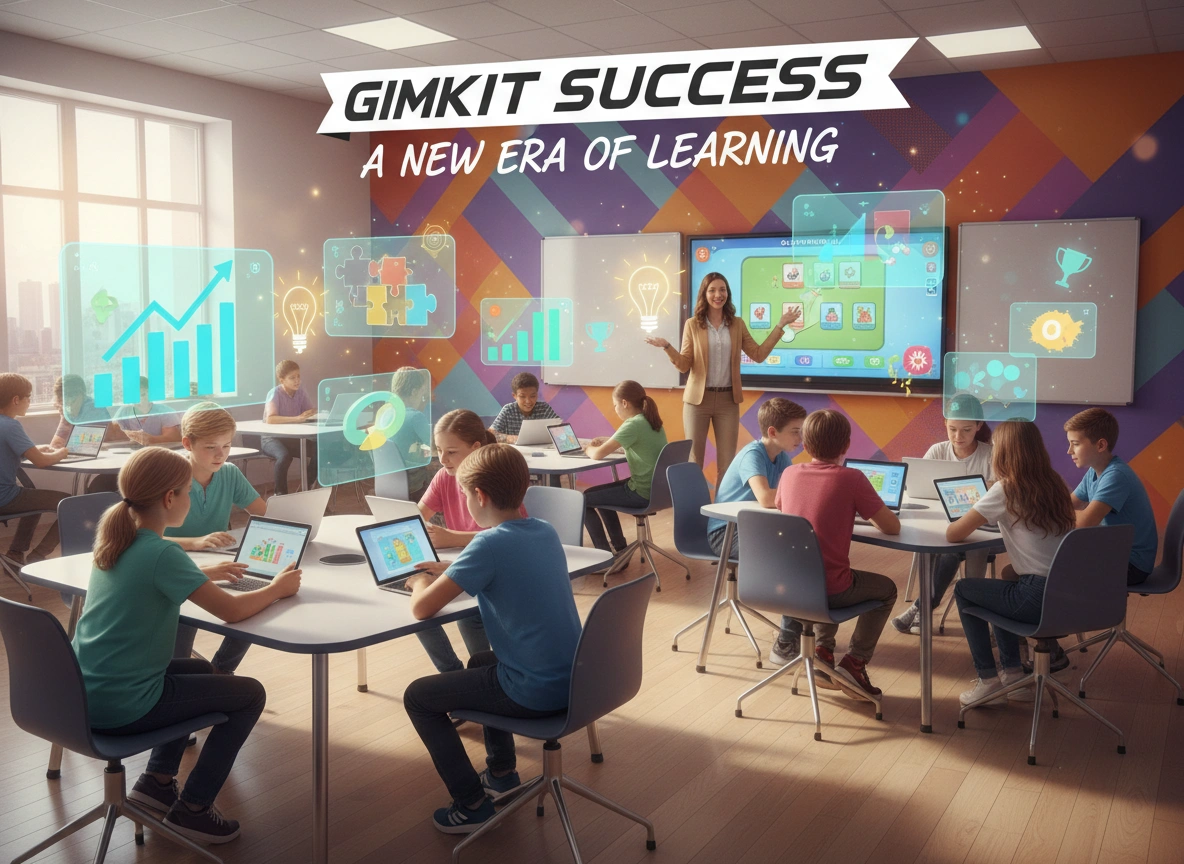
Education is constantly evolving, and technology is at the forefront of this transformation. One platform making significant waves in classrooms worldwide is Gimkit. More than just a quiz tool, it’s a dynamic game-based learning environment that has captured the attention of educators and students alike. By blending curriculum with engaging gameplay, Gimkit is turning ordinary review sessions into exciting, competitive experiences. The results speak for themselves, with countless success stories highlighting improved engagement, better retention, and a renewed love for learning.
This article explores the real-world impact of Gimkit. We will look at how teachers are leveraging its features to create vibrant learning communities and how students are benefiting from this innovative approach. From boosting test scores to making homework feel less like a chore, these stories demonstrate the power of gamified education.
What Makes Gimkit Different?
Before diving into specific successes, it’s important to understand what sets Gimkit apart. Created by a high school student, the platform was built from the ground up with the student experience in mind. It combines elements of popular online games with educational content, creating a unique formula for engagement.
Key features contributing to its success include:
- Live Game Modes: Instead of a standard quiz format, Gimkit offers various game modes. In “The Floor is Lava,” students must answer questions correctly to build their towers and stay above the rising lava. In “Trust No One,” a “Among Us” style game, students work to complete tasks by answering questions while trying to identify impostors. These modes add layers of strategy and excitement.
- In-Game Currency and Upgrades: Students earn in-game money for correct answers. They can then use this currency to buy power-ups and upgrades, such as earning more money per question or freezing an opponent’s screen. This economic layer encourages strategic thinking beyond simply knowing the right answer.
- Student-Paced Assignments (KitCollabs & Assignments): Gimkit allows teachers to assign work for students to complete at their own pace. KitCollabs enable students to contribute questions to a class-wide “kit,” fostering collaboration and ownership of their learning materials.
- Customization and Flexibility: Teachers can create their own “kits” (question sets) from scratch, import existing ones from platforms like Quizlet, or browse a vast library of user-generated content. This flexibility allows them to tailor games to their specific curriculum needs.
Teacher Success Stories: Transforming the Classroom
Educators are constantly searching for ways to capture their students’ attention. For many, Gimkit has become the answer. It provides a reliable tool for review, assessment, and even introducing new topics in a way that feels fresh and exciting.
Case Study: Revitalizing Review Sessions
Sarah, a middle school history teacher, struggled with keeping students engaged during review days before major exams. Traditional methods like worksheets and simple Q&A sessions often resulted in low energy and passive participation. After discovering Gimkit, she decided to try it for her unit on the American Revolution.
The change was immediate. The competitive nature of the live game had every student locked in. They were not just answering questions; they were strategizing, purchasing upgrades, and cheering for their classmates. Sarah noted that even her most reserved students were actively participating, eager to earn more in-game cash. When the test scores came back, she saw a noticeable improvement, particularly in the retention of key dates and figures. She attributes this success to the repetitive, high-energy practice that Gimkit provided. The game transformed a mundane review into a memorable event.
Case Study: Fostering Collaboration with KitCollab
Mr. Davis, an English teacher, wanted his students to take more ownership of their vocabulary lessons. He used Gimkit’s KitCollab feature to achieve this. Before starting a new novel, he assigned each student a few vocabulary words. Their task was to use KitCollab to write a question that correctly used the word in a sentence or asked for its definition.
The students then played a live Gimkit game using the very kit they had created together. This process had a dual benefit. First, students engaged deeply with their assigned words while crafting their questions. Second, they felt a sense of pride and ownership during the game because they were answering questions written by their peers. Mr. Davis found that this collaborative approach led to a much deeper understanding of the vocabulary than simply memorizing definitions from a list.
Student Success Stories: Learning Becomes a Game
The most compelling evidence of Gimkit’s impact comes from the students themselves. For them, the platform bridges the gap between the entertainment they enjoy outside of school and the learning they do inside it.
From Reluctant Learner to Engaged Participant
Mia, a 9th-grade science student, often felt anxious during class. She rarely raised her hand and was hesitant to participate in group activities for fear of getting an answer wrong. Her teacher introduced Gimkit as a fun way to review for a biology quiz. The game’s format, where speed and strategy matter as much as correctness, appealed to her.
Because the game moves quickly and everyone is focused on their own screen, Mia felt less pressure. She could answer questions at her own pace and use the in-game currency to her advantage. After a few rounds, she discovered she knew more than she thought. Her confidence grew with each correct answer and strategic power-up purchase. Soon, she was one of the top earners in the class. This newfound confidence began to spill over into other classroom activities. Mia started participating more in discussions, a direct result of the positive reinforcement she experienced through Gimkit.
Making Homework Fun
For many students, homework is a chore. However, teachers using Gimkit’s assignment feature are finding that they can make independent practice more appealing. Students can complete assignments on their own time, and the platform still incorporates the earning and spending mechanics that make the live games so engaging.
Jake, a 7th grader, used to rush through his math homework, often making careless mistakes. His teacher started assigning practice problems through Gimkit. Instead of just solving problems on a worksheet, Jake was now earning “GimBucks” for each correct answer, which he could save up for cosmetic upgrades for his avatar. This small incentive was enough to make him slow down and double-check his work. The immediate feedback—seeing his virtual wallet grow—was more motivating than waiting a day to get a graded worksheet back. His accuracy improved, and he started to see homework as an opportunity to “level up” rather than a tedious task.
The Broader Impact of Gamified Learning
The success of platforms like Gimkit points to a larger trend in education: the power of gamification. By incorporating game mechanics like points, competition, and rewards into learning, educators can tap into students’ intrinsic motivations.
This approach does more than just make learning fun. It helps develop crucial skills for the 21st century. The strategic thinking required to win a Gimkit game—deciding when to save money, when to buy a power-up, or whether to use an offensive or defensive item—mirrors real-world decision-making. The collaborative nature of features like KitCollab fosters teamwork and communication.
Furthermore, gamified tools provide a low-stakes environment for failure. In a game, getting a question wrong isn’t a final grade; it’s a momentary setback. Students learn to persevere, try again, and learn from their mistakes without the anxiety that often accompanies traditional testing.
Gimkit’s success stories from teachers and students are a testament to the potential of thoughtfully designed educational technology. It shows that when learning is active, engaging, and rewarding, students not only perform better academically but also develop a more positive and enduring relationship with their education. As technology continues to shape the future, tools like Gimkit will undoubtedly play a vital role in creating more dynamic and effective learning experiences for all.
Please visit this website for more info.

